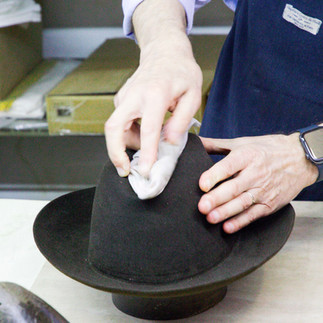
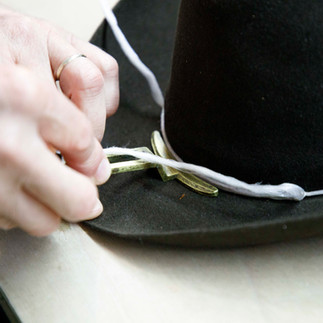
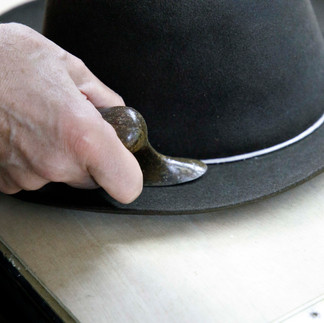
"You're not buying a hat," José told me, turning one over in his hands like he was checking for a pulse. "You're buying a hat that already knows how to be worn." My friend Fernando and I had come in expecting a shop. We were getting a philosophy lesson, and I hadn't even parted with any euros yet.
Porto, in the way that cities become fashionable again, has been busy reinventing itself — new hotels, new menus, new everything. The Chapelaria Centro da Moda has been on Rua Nova de São Crispim, in the unglamorous, unphotographed district of Antas, for only seven years. But the business itself goes back to 1897, when José's great-grandfather started it with nothing but felt, wooden blocks, and an apparently genetic understanding of head shapes.
It survived the 1950s, when hats fell out of fashion almost overnight and never really came back - a slump that finished off most of its rivals - and now José is the fourth generation to carry it forward. The city has noticed: the workshop carries official recognition under Porto's Porto de Tradição programme, which exists to protect the handful of trades considered worth keeping alive.
I'd asked before I left New Zealand to watch him work, half-expecting a polite no. Instead, Fernando and I got two hours, a tour of the storeroom, and a small lecture on why "the hats are not all the same" - something José said the way other people might recite a mantra.
By the time we left, Porto's recent obsession with port wine tours and tiled façades felt like it was missing the point entirely. The real story of this city, it turns out, is sometimes sitting quietly in a shop behind a door with a buzzer - on purpose, José told us, so that only the people who really want to come in, will.